



How a child’s face changes from baby to 12
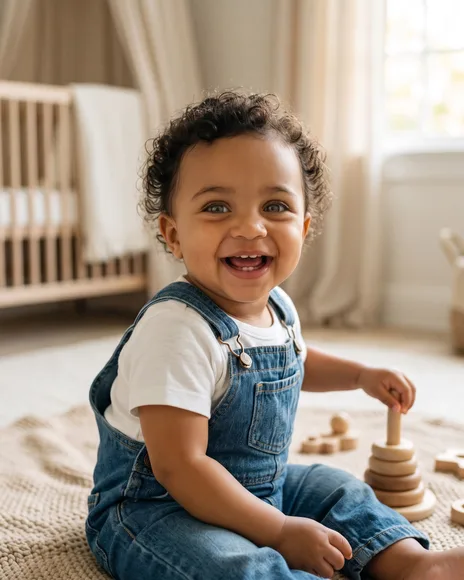
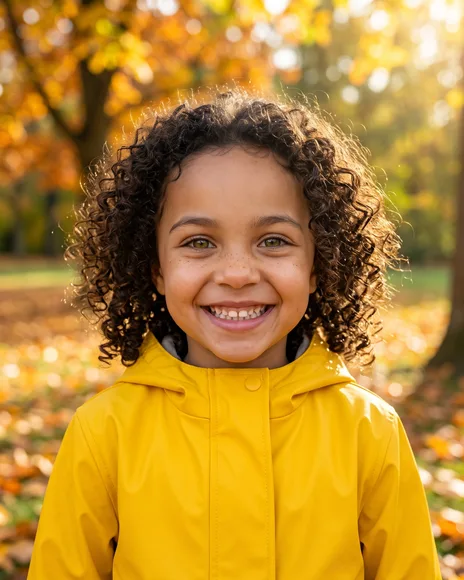
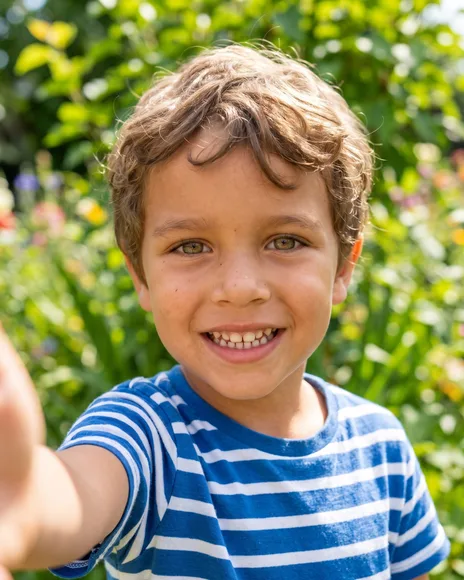
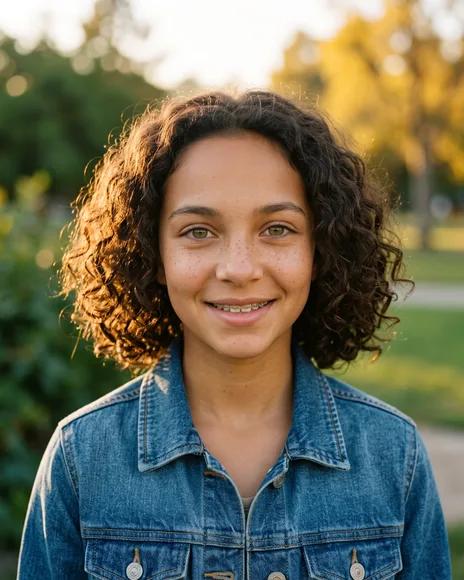
Babies look a lot alike: round cheeks, a small nose with a low bridge, big eyes for their face. The family features show up as the face grows. That’s why Our Tiny One shows four ages instead of one baby photo.
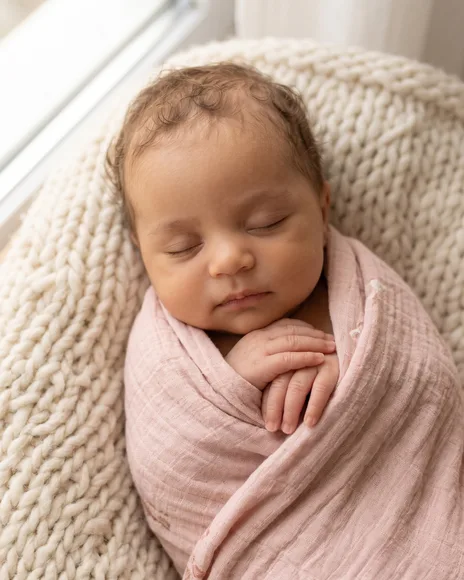
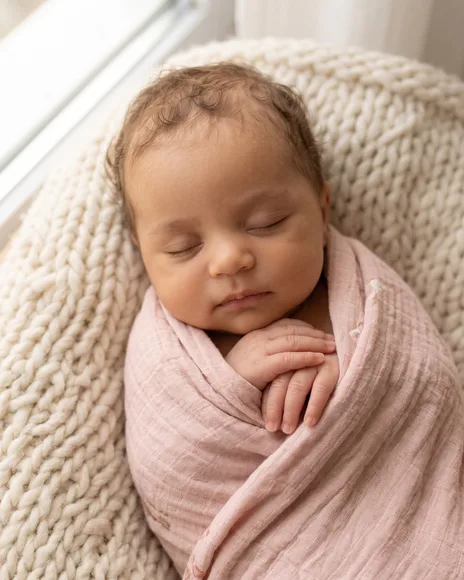
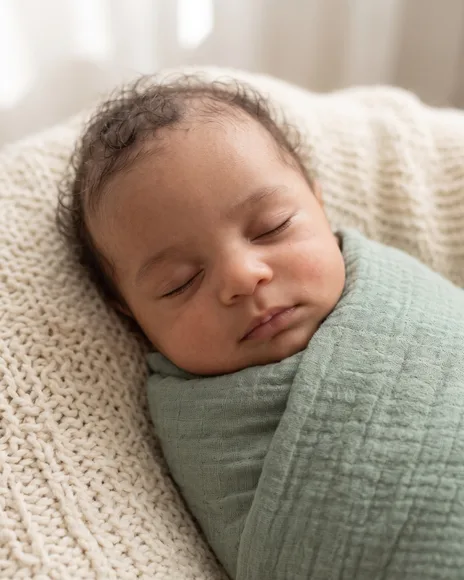
Newborn
- What usually changes:
- Puffy features, a soft head shape, eyes often lighter than they’ll stay.
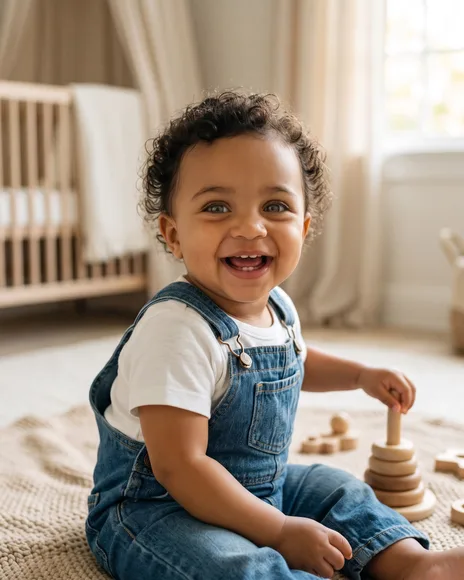
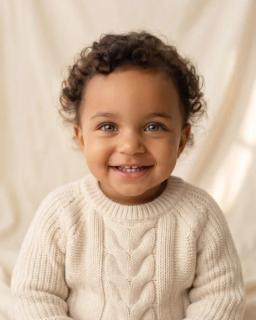
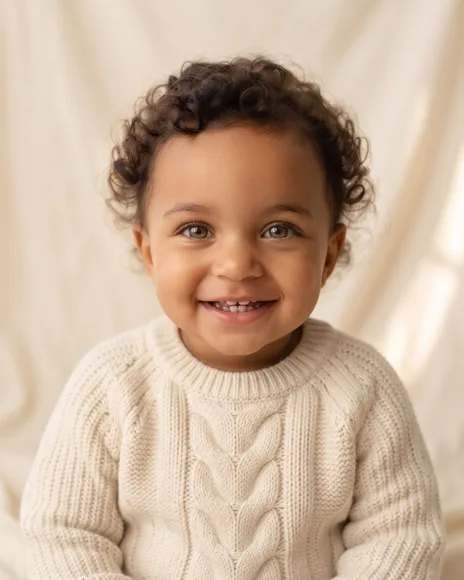
Age 1
- What usually changes:
- Eye color mostly settled, hair coming in, cheeks at their fullest.
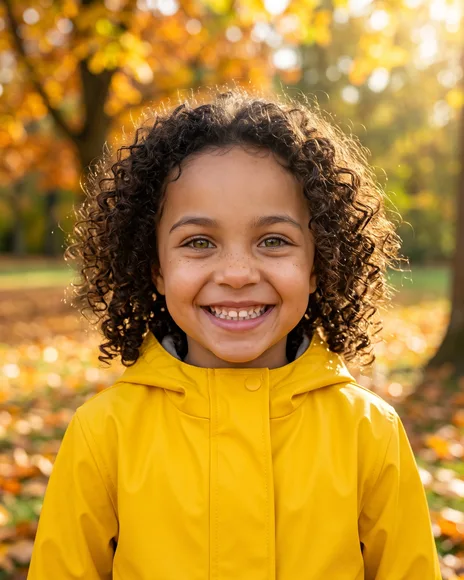
Age 5
- What usually changes:
- Baby fat fades, the nose bridge rises, the face lengthens; family resemblance becomes easier to spot.
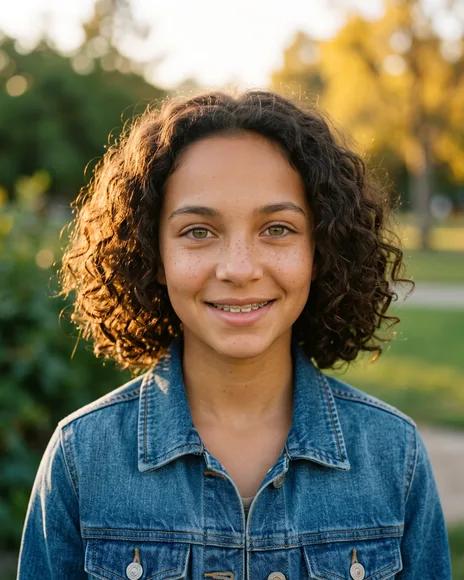
Age 12
- What usually changes:
- Jaw and cheekbones take shape and adult features start to show, often looking more like one parent.
| Age | What usually changes |
|---|---|
| Newborn | Puffy features, a soft head shape, eyes often lighter than they’ll stay. |
| Age 1 | Eye color mostly settled, hair coming in, cheeks at their fullest. |
| Age 5 | Baby fat fades, the nose bridge rises, the face lengthens; family resemblance becomes easier to spot. |
| Age 12 | Jaw and cheekbones take shape and adult features start to show, often looking more like one parent. |
What your kids are likely to inherit
- Eyes: brown tends to win over green, and green over blue. Get your odds with the baby eye color calculator.
- Hair: dark hair and curls tend to show up more often than light, straight hair.
- Skin tone: usually somewhere between the two parents, and different for each sibling.
- Face shape and smile: shaped by many genes at once, which is why nobody can predict them exactly.
More on the science in what will my baby look like? and eye color genetics.